Mechanical services including HVAC
Commercial HVAC Solutions
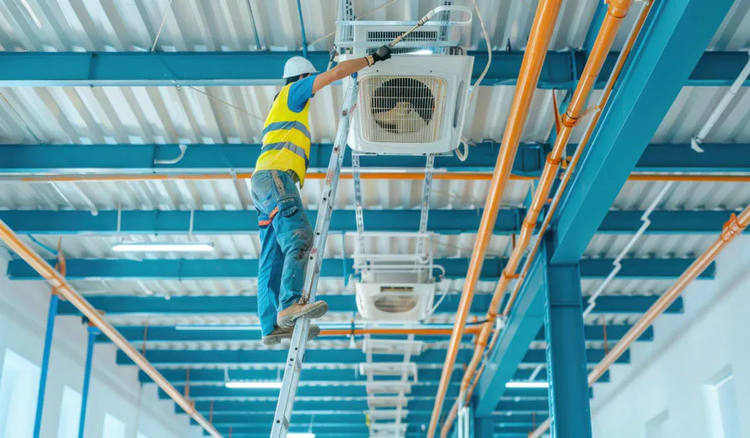
Commercial HVAC solutions are essential for maintaining comfortable, safe, and energy-efficient environments in office buildings, retail spaces, hotels, hospitals, and industrial facilities. Unlike residential systems, commercial HVAC systems are designed to handle larger spaces, higher occupancy, and more complex operational requirements, making professional design, installation, and maintenance critical.These systems include advanced components such as high-capacity chillers, air handling units, ventilation networks, heat pumps, and smart thermostats, all working together to regulate temperature, humidity, and indoor air quality. Properly engineered commercial HVAC solutions ensure balanced airflow, consistent cooling or heating, and optimized energy efficiency, reducing operational costs while enhancing occupant comfort.
Commercial HVAC Installation
Commercial HVAC installation provides efficient climate control for large buildings.
Mechanical Equipment Setup
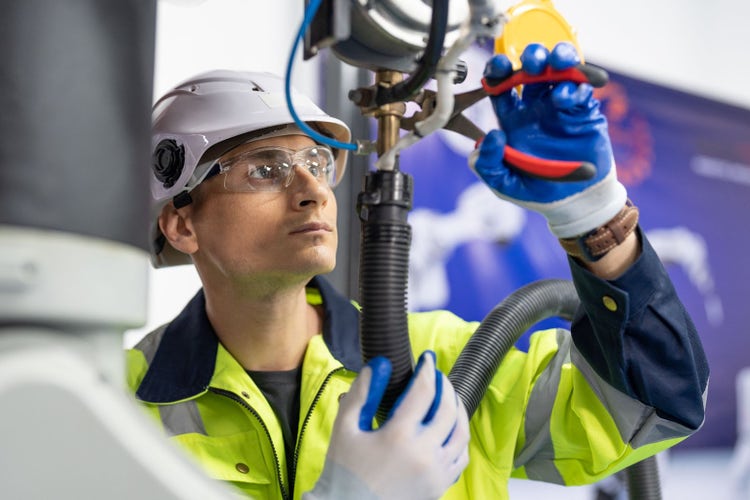
Mechanical equipment setup ensures efficient and reliable system operation.
System Retrofitting
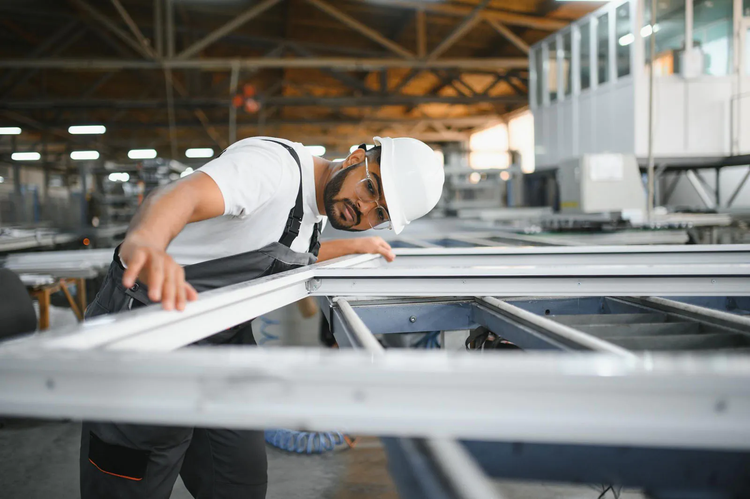
System retrofitting enhances efficiency and updates existing equipment.
Mechanical Equipment Installation
Mechanical equipment installation involves the professional setup of critical building and industrial systems, ensuring they operate safely, efficiently, and reliably. This process covers a wide range of equipment, including HVAC units, chillers, pumps, compressors, ventilation systems, and other mechanical infrastructure essential for residential, commercial, and industrial facilities.The installation process begins with careful planning, precise measurements, and load calculations to ensure optimal placement, alignment, and integration with existing building systems. High-quality materials, skilled workmanship, and adherence to safety standards are essential to prevent operational issues and ensure long-term durability.Proper mechanical equipment installation enhances system performance, minimizes energy consumption, and ensures seamless operation across all connected components. When executed with precision, it reduces maintenance needs, extends equipment lifespan, and provides reliable, consistent performance, supporting the smooth functioning of homes, offices, factories, and large-scale commercial facilities.