Mechanical services including HVAC
Commercial HVAC Installations
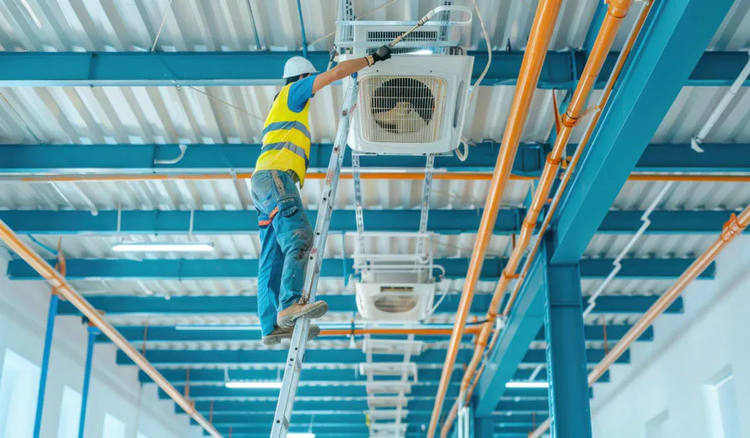
Commercial HVAC installations are critical for maintaining comfort, indoor air quality, and energy efficiency in large-scale buildings such as office complexes, hotels, shopping malls, hospitals, and industrial facilities. Unlike residential systems, commercial HVAC requires specialized design, higher capacity equipment, and complex distribution networks to manage temperature, airflow, and humidity across expansive spaces and multiple zones.The process begins with a detailed site assessment and load calculation to determine the building’s cooling and heating requirements. Engineers consider factors such as occupancy levels, building orientation, insulation, equipment placement, and ventilation needs. Based on this, custom HVAC solutions are designed, which may include central chillers, rooftop units, air handling units, ductwork networks, pumps, variable air volume (VAV) systems, and smart thermostatic controls.
Corporate HVAC Solutions
Corporate HVAC solutions provide efficient, reliable, and energy-optimized climate control for office and business environments.
Mechanical Infrastructure Maintenance
Mechanical infrastructure maintenance keeps building systems efficient, reliable, and long-lasting.
Ventilation & Air Quality Systems
Ventilation and air quality systems improve airflow, remove contaminants, and maintain healthy, comfortable indoor environments.
Mechanical Infrastructure Maintenance
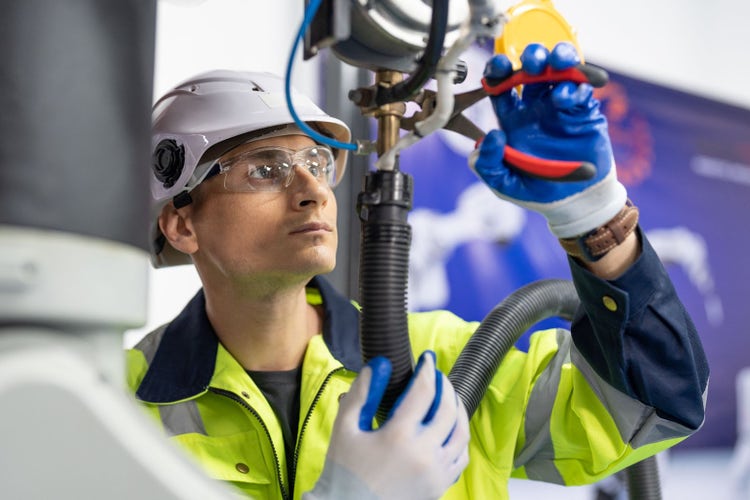
Mechanical infrastructure maintenance is essential for ensuring the efficient, safe, and reliable operation of building systems across residential, commercial, and industrial facilities. This encompasses the upkeep of HVAC systems, chillers, pumps, boilers, ventilation networks, plumbing, fire protection systems, and other critical mechanical components that form the backbone of modern buildings.Regular maintenance includes inspections, preventive servicing, performance testing, lubrication of moving parts, calibration of controls, and timely repairs or replacements. These measures help identify potential issues early, preventing costly breakdowns, reducing downtime, and maintaining optimal system efficiency.Well-executed mechanical infrastructure maintenance improves energy efficiency, extends the lifespan of equipment, and ensures consistent comfort and safety for occupants. By combining skilled technicians, high-quality materials, and systematic maintenance schedules, facilities can achieve long-term operational reliability, compliance with safety standards, and reduced operational costs, all while sustaining optimal performance of critical mechanical systems.